
Gas Fire Pit Buying Guide: Tables, Bowls and Inserts
How to buy a gas fire pit: sizing by diameter, BTU output explained, tables vs bowls vs drop-in inserts, and price bands from portable to built-in.
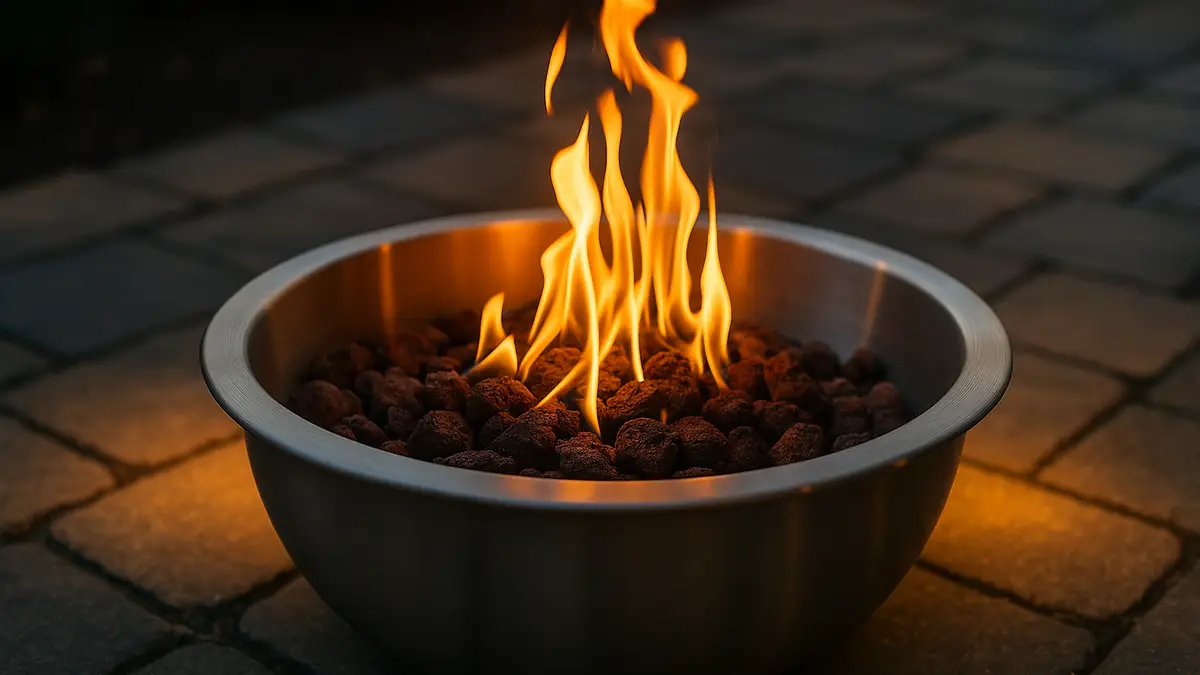
A gas fire pit is the fastest way to extend patio season on both ends of the year, no wood smoke, no ash cleanup, flame on with the turn of a knob. But “gas fire pit” covers everything from a $150 portable bowl to a $3,000 built-in stone feature, so sizing and format matter before you look at any specific product.
What counts as a gas fire pit?
A gas fire pit is an outdoor flame feature that burns propane or natural gas through a burner, typically covered by decorative lava rock, glass beads, or fire glass, rather than burning wood directly. That makes it smoke-free and instant-on compared to a wood-burning pit, at the cost of the campfire crackle and wood-smoke smell some people specifically want.
What size fire pit do you need?
| Size | Diameter | Best for |
|---|---|---|
| Small/personal | 24-30 inch | 1-2 people, tight patios or balconies |
| Medium/patio | 36-42 inch | Most common, fits 4-6 around it |
| Large/gathering | 44-60+ inch | Regular entertaining, bigger groups |
Match diameter to how many people typically sit around it, not your patio’s total size. A 36-42 inch medium pit is the default recommendation for most backyards, since it comfortably seats a typical furniture group without dominating the space.
How many BTUs do you actually need?
| Output | BTU range | Best for |
|---|---|---|
| Entry | 40,000-50,000 | Small patios, mild climates |
| Standard | 55,000-65,000 | Most backyards, the common default |
| High-output | 70,000+ | Large open patios, colder climates |
BTU output determines how much heat and flame height you get, and higher isn’t automatically better: an oversized burner on a small patio just burns more fuel without meaningfully more comfort. Standard output (55,000-65,000 BTU) covers the vast majority of home setups.
Fire pit table vs bowl vs drop-in insert: which format fits?
A fire pit bowl is a standalone round vessel, the most portable and often the cheapest format, typically propane-fed from a tank hidden inside its base. A fire pit table wraps that same flame system in a functional tabletop, letting it double as actual patio furniture, at a higher price for the added material and surface. A drop-in insert is just the burner pan itself, meant to be built into a custom structure like a stone surround or outdoor kitchen island, which is the format for anyone building a permanent feature rather than buying a finished product. Our best fire pit tables guide covers the table format specifically, and fire pit kits and DIY installation covers building your own from an insert.
What should you expect to pay?
Budget ($150-300): Small-to-medium portable bowls, often steel or basic finishes, cover the entry point into gas fire pits. Who this tier is not for: anyone wanting a fire pit that doubles as real patio furniture, since budget bowls are typically standalone with no tabletop surface.
Mid-range ($300-800): This is where most fire pit tables live, medium size, a usable tabletop surface, and better material finishes (powder-coated steel, basic stone-look tile). It’s the right tier for most backyard entertaining setups.
Premium ($800-2,000): Larger tables, better materials (real stone, higher-grade stainless), and higher BTU burners show up here. Suits regular entertainers who want the fire pit to be a genuine furniture centerpiece.
Luxury/built-in ($2,000+): Custom stone surrounds with drop-in inserts, often built alongside an outdoor kitchen island. This tier overlaps directly with the outdoor-kitchen remodeler persona already spending $2,000-8,000+ on a built-in grill.
What material should the fire pit be made of?
Material affects both looks and how the pit weathers over years outdoors, stainless steel, corten steel, and powder-coated steel all age differently, and the choice matters more than most buyers expect going in. Our fire pit materials guide breaks down steel vs corten vs copper in full, including how each one looks after a season of weather exposure.
Natural gas or propane: which hookup should you choose?
Propane is the far more common choice for freestanding tables and bowls, since a hidden tank inside the base needs no permanent plumbing and the whole unit stays movable. Natural gas suits a fixed installation with a professionally run line, most common on built-in inserts and custom stone features that were never going anywhere anyway. If portability matters at all, even the possibility of rearranging the patio next year, propane is the safer default; commit to natural gas only once you’re confident the fire pit’s location is permanent.
What safety clearances should you check before buying?
Every gas fire pit needs clear space around it, typically a manufacturer-specified minimum distance from structures, railings, and overhanging branches, usually stated in the product manual rather than a single universal number. Check local regulations too: some municipalities and HOAs restrict open-flame features on covered patios, wood decks, or within a set distance of a property line, regardless of whether the unit burns gas or wood. Confirm placement is allowed before you buy, not after installation.
What do you need after buying?
A properly fitted cover extends the life of any fire pit significantly, especially tables with fabric or wicker-look components that weather fast when left exposed. Our best fire pit covers and accessories guide covers sizing a cover correctly and the seating accessories most owners add around it.
If you’re weighing a fire pit purchase against your grill budget, or wondering whether to prioritize one over the other this season, our best grill buying guide covers the grill side of that same backyard budget.
Frequently asked questions
Quick answers to what readers ask us most
What size gas fire pit should I get?
36-42 inch (medium/patio) fits most backyard setups and seating groups of four to six. Go small (24-30 inch) for a balcony or tight patio, and large (44-60+ inch) only if you regularly host bigger groups around it.
How many BTUs does a gas fire pit need?
55,000-65,000 BTU is the standard, comfortable output for most patio sizes. Entry units (40,000-50,000 BTU) work fine in small spaces; go 70,000+ BTU only for large open areas where heat dissipates fast.
Is natural gas or propane better for a fire pit?
Natural gas never runs out and suits a permanent installation with a line hookup. Propane, run off a tank hidden in the base, is far more common for portable fire pit tables since it needs no permanent plumbing.
What's the difference between a fire pit bowl, table, and insert?
A bowl is a standalone round vessel, often the most portable option. A table wraps the flame in a functional tabletop surface. A drop-in insert is a burner pan built into an existing structure, like a built-in patio feature. See our best fire pit tables guide for table picks specifically.